




Take action now to stay well and avoid hospital this winter
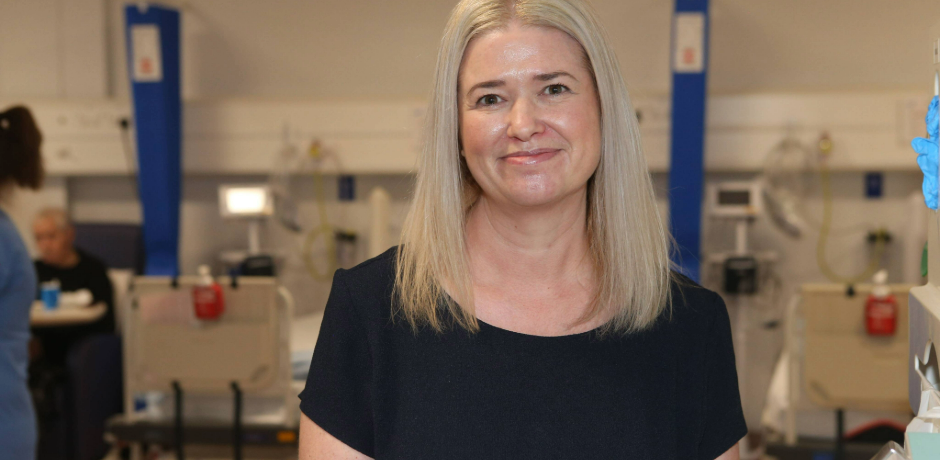
With hospital attendances due to flu on the rise, the Northern Health and Social Care Trust is urging the public to take simple but effective steps to protect their health and help reduce pressure on services.
Dr Emily McIntosh, a Care of the Elderly Consultant based at the Causeway Hospital, said: “We track flu numbers annually across Northern Ireland and this year we are seeing more cases earlier in the season.
“The picture is the same locally – I am unfortunately seeing more and more patients presenting to the hospital with the flu every day.
“We know that no one wants to get ill and they certainly don’t want to end up in hospital. So, if you’re eligible for vaccination, then my advice is to avail of the opportunity as soon as possible, as it usually takes about two weeks for a vaccine to become fully effective.
“Winter viruses like flu and other respiratory viruses can be particularly dangerous for older people and those with underlying health conditions. Vaccination remains the best way to protect yourself and those you care about.”
Dr McIntosh, added: “There has also been a reported rise in the number of children contracting flu. School nursing teams are currently offering the nasal vaccine and I would encourage parents to consent to vaccination. It not only helps protect your child from becoming unwell, but will also help reduce spread to older and more vulnerable relatives who may be more at risk from the virus.”
Last year 862 children and young people, and 3,158 adults, were hospitalised with influenza in Northern Ireland. Of those, 2,922 were as an emergency hospital admission.
Outlining the impact that getting vaccinated has on health services, Dr McIntosh, said: “If we can reduce the number of people getting avoidable illnesses that require admission to hospital then that allows us to care for others who need us.
“Vaccinations are available at community pharmacies, GP practices and we are also running walk-in clinics on a weekly basis.”
In addition to eligible people getting vaccinated, the Trust is also reminding people of the other actions they can take to stay well this winter:
- ‘Catch it, bin it, kill it’ – carry tissues and use them to catch coughs or sneezes, then bin the tissue;
- Wash your hands – regularly wash your hands throughout the day and hands should always be washed before eating or drinking and after using the toilet;
- Rest up – know when to stay home to stop the spread. If you have a high temperature stay home until you feel better or if you have diarrhoea and/or vomiting, you should stay home for at least 48 hours after the last episode;
- Speak to your pharmacist about over-the-counter remedies and remember antibiotics don’t work on viruses.
Further information
Flu, COVID-19, RSV and pertussis (whooping cough) vaccinations are available for all those who are eligible at our weekly clinics:
- Monday, 10am–1pm, Braid Valley Hospital, conference room three, training suite;
- Monday, 2pm – 4.30pm, Mid-Ulster Hospital, vaccination office (first floor);
- Tuesday, 10am – 1pm, Causeway Hospital, maternity unit;
- Wednesday, 10am – 1pm, Antrim Area Hospital, outpatients department four, Level A;
- Friday, 10am – 1pm, Whiteabbey Hospital, midwifery hub.
Flu vaccine eligibility
- all adults aged 65 years and over;
- people aged six months to 64 years in a clinical risk group, as laid out in the Immunisation Green Book influenza chapter (Green Book);
- pregnant women;
- residents and staff in care homes;
- all health and social care workers;
- all preschool children aged two to four years on 1 September 2025;
- all primary and secondary school children (up to and including year 12);
- carers;
- close contacts of immunocompromised individuals.
COVID-19 vaccination eligibility
- adults aged 75 years and over;
- residents in care homes for older adults;
- individuals who are immunosuppressed, aged 6 months and over.
The vaccine should usually be offered no earlier than around six months after the last vaccine dose. Those who are eligible can get protection from vaccination this time round even if they have not taken up a COVID-19 vaccine offer in the past.
Having flu and COVID-19 at the same time can be very serious for people who are immunosuppressed. The COVID-19 vaccines have good safety records and are effective. It gives those at highest risk of serious disease the best protection against COVID-19.
RSV vaccine
RSV is a common and highly infectious respiratory virus that affects the breathing system, particularly in young children and older adults. RSV infections often lead to mild cold-like symptoms, but in some cases, especially in infants and individuals with compromised immune systems, it can cause severe respiratory issues and hospitalisation.
The RSV vaccination was introduced to help protect newborns and infants through the vaccination of pregnant women from 28 weeks into their pregnancy. Adults are also offered the RSV vaccination once they turn 75.
The RSV vaccine is available all year round, so it’s not just a winter vaccine.
17th November 2025


