




Northern Trust reflects on 20 years of its Eating Disorder Service
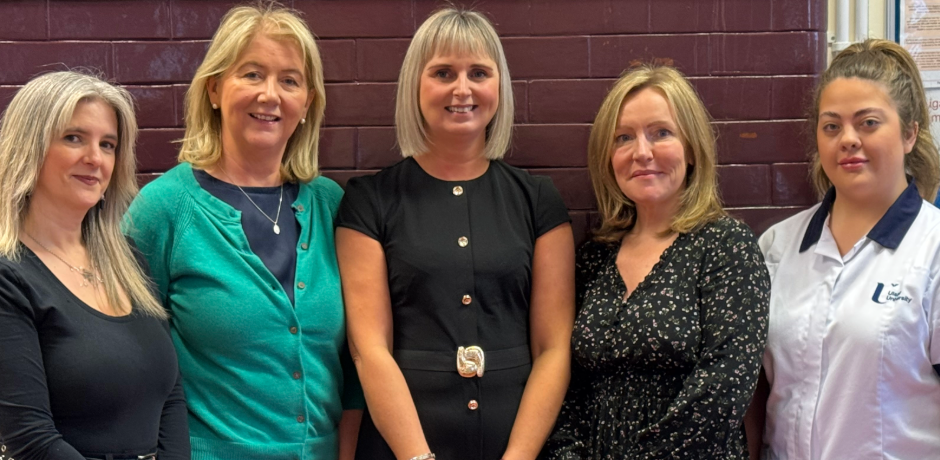
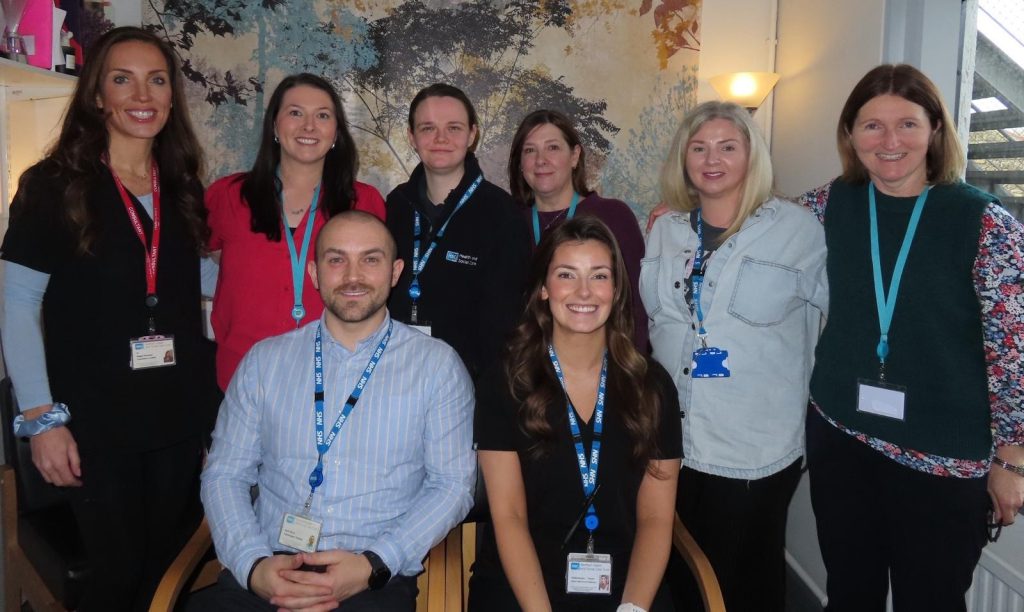
The Northern Health and Social Care Trust is reflecting on the 20th anniversary of its Eating Disorder Service by calling for greater understanding to help reduce stigma and support recovery.
The milestone anniversary coincides with Eating Disorders Week, which runs from February 23 to March 1, with the campaign offering an important opportunity to pause, learn and reflect on how eating disorders can affect individuals and families.
Across Northern Ireland individuals of all ages, genders, backgrounds and roles are living with an eating disorder. Often a hidden condition, many people continue to work, care for others and perform at a high level while managing the physical and emotional impact of their illness.
Joanne Coyles, Eating Disorder Service Manager for Adults in the Northern Trust, says greater awareness is vital: “As we mark 20 years of our service, we’re proud of the difference we have made in many lives, while recognising the far-reaching impact which eating disorders continue to have on individuals and their loved ones.”
“Eating disorders like Anorexia Nervosa or Bulimia Nervosa are serious mental health conditions that can also lead to serious physical complications so early awareness is a vital first step. When we understand the signs and challenges of eating disorders, we can intervene earlier and support recovery more effectively.”
“Quite often, taking the first step towards help is the hardest but we want to take this opportunity to offer reassurance that our aim is to support people to understand their eating disorder, improve their relationship with food, and work towards recovery in a safe and supportive way. We are proud to report we have treated over 1000 patients over the last 15 years.”
Carmel Milne, CAMHS service lead, added: “We recognise the profound impact eating disorders can have on families and carers, and so where possible we work with services users and their family together. Our multidisciplinary team offers careful collaboration of physical and psychological interventions, and our overall aim is to not only manage risk of eating disorders but encourage and support recovery.”
While symptoms vary from person to person, some common signs of an eating disorder may include:
- An intense preoccupation with food, exercise, body size and weight
- Food rituals about how and when to eat (for example, only using a particular type of cutlery, or eating at certain times and in certain places)
- Skipping meals/smaller portions
- Withdrawal from friends/social activities
- Fluctuation in weight (up/down)
- Difficulty concentrating
- Sleep issues
- Feeling cold often
- Muscle weakness
- Dizziness
Joanne added: “It is important to remember that you do not need to be an expert to help. Listening without judgement, checking in with a friend or colleague, or sharing trusted resources can be powerful first steps towards greater awareness and understanding. Seeking help, either for yourself or for someone you care about, is a sign of strength, and recovery is possible.”
If you think you, or someone you know has an eating disorder, the first step is to visit your GP who can carry out a thorough assessment to rule out any other medical cause for your symptoms and can make an onward referral if it is required.
Confidential expert support is also available online from Bodywhys (The Eating Disorders Association of Ireland) and from Beat Eating Disorders.
24th February 2026


