
Performance Overview
The purpose of the performance overview is to provide a brief summary of the Northern Health and Social Care Trust, its main objectives, strategies and the principle risks it faces to achieving its objectives. It also provides an overview of the Trust’s performance over the past year, 2025-2026.
Trust Purpose and Activities
The Trust delivers a broad range of health and social care services to a population of around 479,000 people across 1,733 square miles, making it the largest geographical Trust in Northern Ireland.
With an annual budget of approximately £1 billion, the Trust employs around 15,000 staff spanning medical, health, and social care professions. Services are provided across more than 150 sites, including two acute hospitals, a mental health hospital, community hospitals, health centres, social care facilities, and an extensive network of community-based services, as well as care delivered directly in people’s homes.
The Trust covers four local council areas: Antrim and Newtownabbey, Causeway Coast and Glens, Mid and East Antrim, and Mid Ulster. Our population profile shows that we have both the largest older population and the largest child population of all Health and Social Care Trusts in Northern Ireland.
Understanding our environment, our population, and the challenges we face is essential to how we design and safely deliver our services. The Trust remains committed to achieving the objectives set out in our Corporate Plan 2024/25–2027/28.
- Build Northern partnerships and integrate care
- Improve outcomes and experience
- Deliver value by optimising resources
- Nurture people, enable talent and build teams
- Improve population health and reduce health and social care inequalities
Our annual activities
- 239,024 Contacts with allied health professionals
- 442,652 District Nurse Contacts
- 115,824 Community Mental Health Contacts
- C. 3,570,000 Home Care Hours Delivered
- 146,025 Emergency Department Attendances
- 26,392 Emergency Department Attendances Over 75s
- 49,890 Day Cases Admissions
- 34,512 Non Elective Admissions
- 55,473 Elective Admissions
- 281 Average Births per Week
- 55,600 New Outpatient Appointments
- 118,460 Review Outpatient Appointments
- 174,060 Total Outpatient Appointments
- 903 Looked After Children
Our Vision
We provide compassionate care with our community, in our community underpinned by our values that shape how we work and reflect our commitment to providing safe, effective, compassionate and person centred care.
Working Together
We work together for the best outcome for people we care for and support. We work across Health and Social Care and with other external organisations and agencies, recognising that leadership is the responsibility of all.
Excellence
We commit to being the best we can be in our work, aiming to improve and develop services to achieve positive changes. We deliver safe, high quality, compassionate care and support.
Openness and Honesty
We are open and honest with each other and act with integrity and candour.
Compassion
We are sensitive, caring, respectful and understanding towards those we care for and support our colleagues. We listen carefully to others to better understand and take action to help them and ourselves.
Corporate Objectives
The Trust remains committed to delivering on its five corporate objectives. The Trust’s aim is to provide the highest standards of health and social care for its community, aligned to regional priorities and plans. These five principal corporate objectives give a structured, consistent and concentrated focus to the Trust’s efforts.
- Build Northern Partnerships and integrate care
- Continue to improve outcomes and experience
- Deliver value by optimising resources
- Nurture our people, enable our talent and build our teams
- Improve population health and address health and social care inequalities
Operating Environment
The Trust covers four local council areas; Antrim and Newtownabbey, Causeway Coast and Glens, Mid and East Antrim and Mid-Ulster. The population profile indicates that the Trust has the largest older population and the largest child population, when compared to other Health and Social Care Trusts in Northern Ireland.
Organisational Structure
The Trust has an Executive Team comprising the Chief Executive and six Executive Directors;
- Director of Operations;
- Director of Medicine;
- Director of Nursing, Midwifery and Allied Health Professions;
- Director of Social Work;
- Director of Finance/Deputy Chief Executive; and
- Director of Human Resources, Organisational Development and Corporate
Trust services are delivered through eight operational Divisions; each Division is managed by a Divisional Director. In two instances, a Divisional Director role is also held by a member of the Executive team. The Director of Children and Young People, is also the Director of Social Work; and the Director of Paediatrics, Women’s Services and Corporate Support, is also the Director of Nursing, Midwifery and Allied Health Professions.
The eight operational Divisions are:
- Children and Young People;
- Community Care;
- Infrastructure;
- Medicine and Emergency Medicine;
- Mental Health, Learning Disability and Community Wellbeing;
- Paediatrics, Women’s Services and Corporate Support;
- Strategic Planning, Performance and ICT; and
- Surgical and Clinical
Performance Analysis
The purpose of the Performance Analysis is to provide a detailed assessment of the Trust’s performance during the reporting year. It presents an analysis of progress against the Trust’s strategic objectives, statutory responsibilities and key performance indicators, highlighting significant achievements, challenges and areas for improvement. The analysis provides clear understanding of how resources have been utilised to deliver services, and the actions being taken to support continuous improvement and improve outcomes for the population served by the Trust.
Measuring Performance
Our Trust continues to focus on prioritising strong performance management to create clear accountability and assurance, and to deliver better outcomes and experiences for our community. This is despite the ongoing and sustained day-to-day pressures created by high demand, a growing older population, and working in a constrained financial environment.
The Trust’s performance is measured against key performance metrics set out by the Strategic Planning and Performance Group (SPPG) within the Department of Health, as well as monitoring our progress against our corporate plan objectives, trust strategies and financial saving and efficiency plans.
Key Challenges
Health and Social Care services are under more pressure than ever, and this has made it harder for the Trust to meet some of its usual performance standards. Demand for care is increasing, especially among our older and frail population. This reflects changes in our local population, with the number of people aged over 65 continuing to grow each year and expected to rise by around 49% by the mid 2040s.
At the same time, financial pressures mean there is limited funding to expand services to match this growing demand. As a result, the Trust is having to manage more people needing care with the same level of resources. This can affect how quickly some services are delivered and puts daily pressure on staff, who continue to work extremely hard to support patients and service users.
Despite these challenges, the Trust remains strongly committed to doing everything possible to manage demand, maintain performance, and provide the best person-centred, compassionate care it can within the resources available.
Principle Risks
During 2025/26, the Trust faced a number of strategic and day to day risks that were closely monitored by both Executive and Non Executive Directors. Throughout the year, we put in place detailed plans to help reduce these risks, and we continually reviewed and updated those plans to make sure the Trust was in the best possible position to respond if any of the risks became a reality.
- High demand and limited capacity, with more people needing care than services can currently provide
- Workforce pressures, including staff shortages in key roles, affecting resilience and waiting times
Financial constraints, limiting flexibility to address waiting lists and unmet need
- Pressures across hospital and community services, impacting patient flow and access to care
- Digital and cyber risks, including the ongoing rollout of the encompass electronic health record system
The Trust closely monitors these risks and continues to focus on keeping patients safe, improving access to services, supporting staff, and protecting critical digital systems.
Unscheduled care
Our hospitals are seeing higher numbers of older patients, reflecting the ageing population we serve. In 2025/26, attendances from people aged over 75 increased at both acute sites, rising by almost 3% at Antrim Area Hospital and by more than 11% at Causeway Hospital.
Many of these older, frail patients are more likely to need admission, stay in hospital longer, and require support when they are ready to go home. This has created additional pressures on patient flow within our acute hospitals and on community services.
The Trust has renewed its focus on easing pressures on unscheduled care services by taking forward an ambitious programme of work as part of our Reform North programme. We have invested in and expanded Same Day Emergency Care (SDEC) services at both Antrim Area Hospital and Causeway Hospital. These services provide direct access to assessment and treatment for suitable patients, helping them to avoid long waits in our Emergency Departments, or a hospital admission.
At Antrim Area Hospital, the Direct Assessment Unit now sees and treats around 900 patients each month. New respiratory, cardiology and frailty ambulatory (same day care) pathways support a further 250 patients each month. At Causeway Hospital, the Acute Ambulatory Unit, frailty Direct Assessment Unit and the Causeway Surgical Ambulatory Unit treat more than 700 patients in total, each month.
Supporting patients to go home as soon as it is safe to do so is vital for keeping our hospitals moving. We continue to face challenges, particularly with more complex discharges, where patients are medically fit to leave hospital but need extra support at home, or need a care placement in place, before they can be discharged.
The Trust has taken positive steps by restructuring the Integrated Discharge Team across hospital social work and community discharge services. This is helping to improve and streamline discharge arrangements for patients and their families.
In November 2025, the Trust introduced a new Hospital at Home service, initially operating across the BT36, BT37 and BT39 areas. The service currently supports 15 care homes, covering 539 beds. Early signs show this approach is helping to prevent avoidable hospital admissions and supports better care closer to home, with the potential to expand further across the Trust.
The service has continued to develop within its initial footprint and is already delivering positive results. Stronger referral pathways with GPs and the Northern Ireland Ambulance Service (NIAS)
are ensuring more residents receive timely treatment in their care home rather than being admitted to hospital.
Elective Services
The Trust has continued to move forward with elective reform as part of its Reform North programme. We are working hard to reduce waiting lists and meet performance targets for outpatient appointments and inpatient treatment. We know that waiting times are too long across many services, which is why elective reform remains a priority.
We have taken a proactive approach to reducing waiting lists through administrative and clinical
validation, along with a range of targeted waiting list initiatives delivered in house and with support from independent sector partners. By using ongoing funding to tackle the longest and most urgent waits, alongside one off investment to reduce backlogs, we are seeing clear reductions in long waits and steady improvements in elective performance.
Waiting List Initiative
During 25/26, the Waiting List Initiative delivered significant and measurable improvements across diagnostics, outpatients, endoscopy and elective care. A total of 52,807 patients received an assessment, diagnostic test or treatment who otherwise would not have, supported through a combination of independent sector activity, insourcing and extensive in house additional capacity.
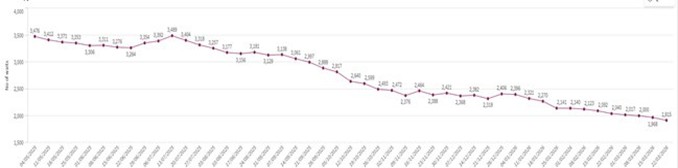
This enabled substantial reductions in long waits, including removal of over-52-week waits for CT, marked reductions in MRI and ultrasound backlogs, a reduction in the endoscopy waiting list from over 3,500 to approximately 1,800 patients, and achievement of the four-year maximum wait standard across named procedures.
In parallel, administrative and clinical validation was carried out on 35,000 patient records improving the accuracy, safety and prioritisation of waiting lists. These outcomes were achieved through close collaboration between clinical, operational, contracts and finance teams, strengthening the organisation’s ability to manage rising demand while delivering tangible benefits for patients.
Outpatient Services
Our outpatient modernisation programme has streamlined pathways and revised operating models to enhance the efficiency and effectiveness of how we manage our waiting lists. Strengthened referral triage processes and the expansion of direct to test pathways have ensured that many patients attend their first outpatient appointment with key diagnostics already completed, while some no longer require an outpatient appointment at all. The rollout of Patient Initiated Follow Up (PIFU) has provided patients with a structured mechanism to request review appointments based on clinical need, reducing routine follow up activity. Collectively, these reforms have helped reduce new and review outpatient backlogs whilst supporting more timely, patient centred access to care.
Rapid Diagnostic Centre
Whiteabbey Hospital is home to one of Northern Ireland’s two regional Rapid Diagnostic Centres (RDC), delivering coordinated, one stop assessment and diagnostic services to accelerate cancer diagnosis and improve patient outcomes across the region.
The Vague Symptom Pathway enables GPs to refer patients with concerning but non specific symptoms for rapid, coordinated assessment, providing a faster diagnostic route for those who do not meet urgent cancer criteria. This approach supports earlier detection and reduces the risk of late diagnosis. To date, the RDC has assessed over 1,000 patients and identified 36 cancers.
General Surgery
We are the only Trust in Northern Ireland providing both emergency inpatient and elective general surgery across two acute hospitals – Antrim Area Hospital and Causeway Hospital. Running services in this way creates ongoing challenges, particularly around managing demand, maintaining safe staffing levels, and meeting the standards set out in the Department of Health’s Review of General Surgery.
This approach is no longer sustainable.
In May 2025, the Board of the Northern Trust approved a recommendation for a preferred operating model to move emergency general surgery and major colorectal surgery to Antrim Area Hospital, while focusing high volume elective surgery at Causeway Hospital. The Trust continues to work closely with key stakeholders, including the Department of Health, SPPG, NIAS, service user representatives, and other Trusts, ahead of a final decision by the Health Minister.
Causeway Hospital
We have continued to make good progress against our action plan to deliver our Strategic Vision for Causeway Hospital. Our commitment to a 24/7 Emergency Department is clear, demonstrated by the increase in ED consultant numbers and a major milestone reached in October 2025 with the appointment of our first Advanced Nurse Practitioner in the ED.
We’ve also expanded Same Day Emergency Care (SDEC). The surgical ambulatory unit, alongside the frailty and acute medical ambulatory units, now sees around 700 patients each month. This helps people avoid long waits in ED and ensures they get the right care, at the right time.
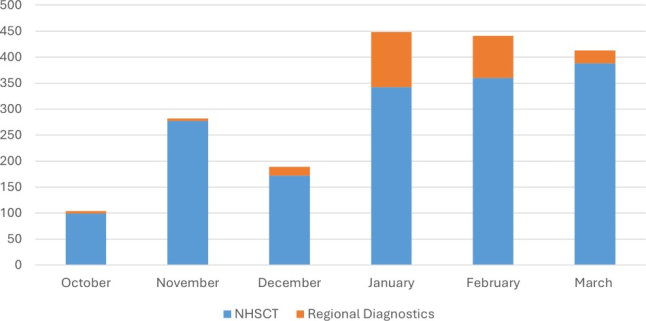
The MRI scanner at Causeway Hospital has been operational since October 2025. This has increased local scanning capacity to support the Rapid Diagnostic Centre and our inpatients, who no longer need to travel to Antrim for scans. As a result, ambulance capacity has been freed up and patients are having a much better overall experience.
MRI monthly scan activity at Causeway 25/26:
Home Care
In 2025 /26, the Trust has experienced a steady growth in the number of service users receiving homecare. Within a three year period, we have seen demand grow by 15%, reflective of the population demographic and the continued shift to care at home. Home care provision has expanded over the same period rising from 3.07 million to c. 3.57 million hours delivered annually.
In response to this sustained growth in demand for home care the Trust established a two year Home Care Reform Programme in July 2025 aimed at stabilising provision and improving equality of access within our Trust.
The programme is already demonstrating positive results with a revised delivery and contracting model to minimise travel and optimise capacity in our rural communities. We have also started to implement a digital solution CareLine Live to reduce administrative burden and improve operational processes and communications with our staff. We have employed other measures such as early review and regular focus on unmet need.
Summary of Home Care Key Performance July 2025 – March 2026
- 242 fewer people for waiting for a home care package
- 38% reduction in individuals waiting within a bed-based setting
- 43% reduction in unmet need hours
- 18% still awaiting allocation now requiring only one call per day
- 18% reduction in average waiting time for package of care
The Trust has made steady improvements in access to home care services during this period.
The number of people waiting for a home care package has reduced from 835 in July 2025 to 593 in March 2026, including a 28% reduction in those waiting in a hospital or other bed based setting.
Over the same timeframe, unmet care hours have fallen by 38%. Of those still waiting for a package, 43% now need just one care visit per day.
Map of Unmet Need across Northern Trust August 2025 and March 2026 showing reduction:
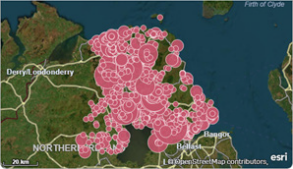
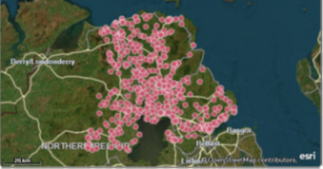
March 2026
Graph 3: Trajectory showing reduction in number of people waiting for a POC April 25 – March 26
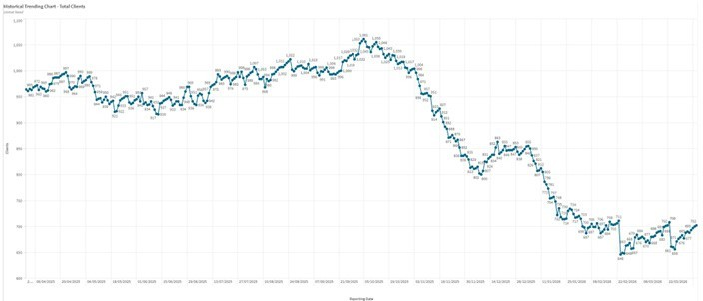
The Early Review Team helped boost system capacity by freeing up 293 hours of care each week — the same as 28 full care packages — by reviewing and streamlining existing arrangements. Together, these improvements led to an 18% reduction in how long people wait for their care package, providing them with the support they need more quickly and improving their overall experience.
Children’s services
The Trust continues to manage a significant and ongoing rise in the number of Looked After Children, with numbers having increased by 34% since 2020. Most children are cared for through kinship placements (placement with a family member), which make up 57% of all Looked After Children, highlighting the vital role extended families play in providing stable care. However, finding enough placements remains a key challenge, with all six of the Trust’s children’s homes consistently operating at full capacity.
Looked After Children and Corporate Planning
- 34% increase in Looked After Children since 2020 – placement sufficiency remains a critical organisational challenge.
- 57% of Looked After Children in kinship care – number have recently levelled off
- 6 Trust children’s homes consistently full – business case in development for an additional home
- 92% foster placements successfully maintained – 52 total placements; fewer Looked After Children without a social worker.
The growing complexity of children’s needs can also make it more challenging to find an appropriate placement. This has led to some reliance on the use of unregistered emergency accommodation and resulted in an RQIA improvement notice.
In response, we have put in place a wide range of strategic and practical actions to strengthen early intervention, increase placement options, and improve stability for children in care. The new Families First Framework is now in place, and early signs suggest it is having an impact, with the number of Looked After Children beginning to stabilise.
Work is underway to increase capacity in our children’s homes, and we continue to prioritise the recruitment of emergency foster carers, despite ongoing challenges in this area.
Targeted support for foster carers is already making a difference. Between June 2025 and January 2026, 92% of 52 supported placements were successfully maintained. Improvements in social work recruitment and retention within Corporate Parenting have also reduced the number of children without an allocated social worker, helping to ensure safer and more consistent care planning.
Mental Health and Learning Disability Services
Our acute mental health services continue to face significant pressure, with demand remaining high and patients presenting with more complex needs, often in crisis. Our acute inpatient units are consistently operating at or above full capacity, which leads to longer waits for admission and places strain on patient flow across the system. Challenges linked to our ageing buildings, alongside workforce pressures, have also limited how quickly we can fully introduce more modern models of care. Despite these difficulties, the service has put a number of improvement initiatives in place, including new therapeutic interventions and safe ward initiatives.
The Community Mental Health Service for Older People has also seen a sustained increase in demand. Since 2021, referrals have risen by 57%, reaching an average of 149 referrals per month in 2025. At times, demand has outpaced capacity, creating workforce challenges that have had to be managed through temporary staffing arrangements. Nevertheless, the service has improved overall throughout, particularly within dementia pathways. The redesigned Memory Assessment Pathway has delivered clear reductions in both waiting times and waiting list size, while also improving efficiency by reducing “did not attend” rates from 16% to 6%, thereby enhancing access for patients and carers.
Demand and case complexity within Psychological Services and Adult Autism Spectrum Disorder (ASD) Services has increased, driving significant waiting list pressures, particularly in Clinical Health Psychology and Learning Disability Psychology. A targeted programme of waiting list initiatives has been introduced to address extended waiting times for initial psychology and diagnostic assessments in the Adult ASD service. Although the longest waiting time is presently 4.2 years, the programme has delivered a modest 2.5% reduction in those awaiting assessment and has played a critical role in preventing waiting times from rising to an estimated six years.
Working with our partners in health and community
We have established the Northern Partnership and Population Health Committee, a sub committee of the Trust Board, unique in its constitution with member representation from service users, carers, and community and voluntary partners. The Committee promotes collaborative working to improve population health and wellbeing, reduce social care and health inequalities, support carers, and strengthen prevention and early intervention across Trust services.
The Committee’s work is rooted in partnership, aligning efforts across statutory services, and community and voluntary organisations to support place based delivery within local communities to deliver a more integrated approach to delivery of our services.
Our Workforce
Our people are our greatest asset. Earlier this year, our Trust completed its reaccreditation process with Investors in People, maintaining our Silver status and placing us in the top 20% of employers in the UK.
The results reflected a strong, values-led organisation known for its exceptional teamwork, genuine compassion, and deep sense of purpose. Workplace culture is an ongoing area of focus within our Trust and a significant amount of work has been ongoing to nurture an open, just and learning culture. We remain committed to prioritising our people, our values and our culture, which is the foundation on which we build.
System Oversight Measures (SOMS)
Ministerial and Department of Health priorities were set out within a Strategic Outcomes Framework (SOF) reflecting a vision of health and wellbeing for our population.
A series of System Oversight Measures (SOMS) aligned to strategic priorities was established for Health and Social Care Trusts for 2025–26, emphasising increased activity and improved productivity. Progress against these measures was monitored throughout the year through a structured reporting framework, incorporating monthly, quarterly, and annual reporting cycles.
A summary of performance against SOMs for 2025 to 2026 is provided below:
| System Oversight Measures Targets | Current Performance | RAG |
|---|---|---|
| ACUTE Unscheduled | ||
| Reduce number of patients who do not wait in Emergency Department (ED) | Average performance throughout 25/26 for Antrim resulted in a 1.9% reduction and 2.2% reduction for Causeway | Green |
| Reduce the number of patients who wait >12 hours in ED by 10% | The 10% reduction was not achieved, but a reduction of 0.65% was achieved against baseline. | Red |
| Weekend discharges – Reduce patients waiting >4 hours for discharge | Data quality is low and this metric cannot be reported on. | |
| Weekend discharges – Reduce patients waiting >48 hours for discharge | Data quality is low and this metric cannot be reported on. | |
| Scheduled Outpatients | ||
| New OP appointment: 5% (max.) Do Not Attend (DNA) rates | Across 25/26 the average DNA rate for new appointments was 6.81% | Red |
| Review OP appointment: 8% (max.) DNA Rates | Across 25/26 the average DNA rate for review appointments was 7.09% | Green |
| Scheduled Inpatients /Theatres/Day Case | ||
| Theatres – Main, Day Procedure Unit (DPU), Endoscopy: 5% (max.) DNA / Could Not attend (CAN) | DNA rates or same day cancellations on average were 11% in main theatres, 9.14%, and 8.85% for Endoscopy | Red |
| Run times – main / DPU / Endoscopy theatres: 90% | 99.98% for main theatres, 80.19% for DPU 111.87% for Endoscopy | Amber |
| Op time main theatres: 85% DPU 80% | 90.28% for main theatres, 60.68% for DPU theatres | Amber |
| Decrease across those specialties currently above CHKS peer group levels (reduce average Length of Stay (LOS) for elective inpatients) | General Surgery: Peer 4.30, Actual 3.27, Gynaecology Peer 1.91, Actual 2.32, Haematology Peer 10.2, Actual 10.05 | Amber |
| Community Care: Maximise Home Care Capacity | ||
| 10% reduction in unmet need hours by each HSC Trust by 31 March 2026 | Achieved a 34% reduction on full package numbers waiting in comparison to March 2025 (from 4098 to 2703). And 33% reduction in partial packages. | Green |
| 5% increase in Direct Payments in effect for service users by 31 March 2026 | 4.94% increase achieved in March (how does this percentage work?) | Amber |
| Children’s Social Care Reform | ||
| To reduce unallocated cases by 10% by March 2026 (compared to position at end March 2025) for those cases > 20 days and family support cases only | Target of 43, achievement of 17 which is a 65% reduction. | Green |
| Safety and Quality | ||
| 95% compliance with Falls prevention audits | Revised report build for these metrics is in final stages of completion with strong partnership work between Trust and encompass team. Validation has begun across Trust clinical teams. | |
| 95% compliance with skin bundle audits for pressure ulcers | ||
| 95% compliance with Malnutrition Universal Screening Tool (MUST) | ||
| 95% compliance with all elements if Palliative Care Quality indicators | ||
| Clostridioides Difficile Infection (CDI) – Trust-specific targets to deliver a reduction in the rate of inpatient episodes of CDI, measured per 100,000 occupied beds, in patients aged two years and over by the end of the 2025/26 financial year. | For March the target number of cases was 14.9, the Trust delivered 14.1 | Green |
| Methicillin-resistant Staphylococcus aureus (MRSA) – Trust-specific targets to deliver a reduction in the rate of MRSA episodes, measured per 100,000 occupied beds by the end of the 2025/26 financial year have been agreed. | The target was 4, the Trust achieved 2. | Greem |
| Ministerial Access (Waiting Time) Targets at end of March 2026 | ||
| Elective: 50% Patients waiting <9weeks No patients >52weeks for a 1st New Cons-Led Outpatient Appt | In March 2026, 14.2% of patients were waiting less than 9 weeks and 52.7% (45,481 were waiting greater than 52 weeks) | Red |
| 75% of patients waiting <9 weeks. No patients >26 weeks for a diagnostic test | 48% of patients are waiting less than 9 weeks for a diagnostic test and 28.9% are waiting greater than 26 weeks
For physiological diagnostic tests 36.6% were waiting less than 9 weeks, 39.3% were waiting greater than 26 weeks |
Red |
| 75% of patients waiting <9 weeks. No patients >26 weeks for an Endoscopy procedure | 65% waiting less than 9 weeks; 20% waiting greater than 26 weeks | Amber |
| 55% of patients waiting <13 weeks. No patients >52 weeks for inpatient /day case treatment | 47.4% waiting less than 13 weeks; 25% patients waiting greater than 52 weeks (1,874) | Red |
| No patients waiting >13 weeks from referral to treatment by an Allied Health Professional | 57% of patients were waiting greater than 13 weeks (16,734) | Red |
| Cancer Services: 100% of Suspect Breast Cancer Referrals to be seen <14 Days | This is now a regional target and was achieved on average 10% across the year. | Red |
| 98% of Patients to receive their first definitive treatment <31 days of a DTT | An average of 93% was achieved from April 2025 to February 2026 | Amber |
| 95% of Patients red flag referred to begin definitive treatment <62 days | An average of 31% was achieved from April 2025 to February 2026. | Red |
| Unscheduled Care ED Attendances 95% patients waiting<4hrs for treatment, discharge, admission | Across the year an average of 37% of patients waited less than 4 hours for treatment, discharge and admission. | Red |
| Mental Health:
No patients waiting >9 weeks for CAMHS appointment |
9.5% of patients waiting > 9 weeks | Red |
| No patients waiting >9 weeks for adult MH appointment | 4.9% of patients waiting > 9 weeks | Amber |
| No patients waiting >9 weeks Dementia Service Appointment | 45.2% of patients waiting > 9 weeks | Red |
| No patients waiting >13weeks for psychological therapies appointment | 60.9% of patients waiting > 9 weeks | Red |
| Serious Adverse Incidents | ||
|---|---|---|
| Number of Terms of Reference overdue (4 weeks from date of notification of SAI) | Position at end of March 2026 = 0 | Green |
| Number of SAI Review Reports overdue (Level 1 – 8 weeks) | Position at end of March = 11 | Red |
| Number of SAI Review Reports overdue (Level 2 – 12 weeks) | Position at end of March = 6 | Red |
| Number of SAI Review Reports overdue (Level 3 – date as agreed by SPPG/PHA and HSC Trust) | Position at end of March 2026 = 0 | Green |
| Number of action plans overdue for Combined Level 2 and Level 3 SAIs (12 weeks) | Position at end of March 2026 = 0 | Green |
In summary, overall performance in 2025/26 demonstrated strong (Green) delivery in community care, children’s services, infection prevention and selected areas of elective productivity. This included a reduction of over 30% in unmet home care need, a 65% reduction in unallocated children’s cases, MRSA performance significantly below target, and main theatres consistently exceeding productivity benchmarks.
Moderate (Amber) performance was evident where progress was achieved but targets were not fully met, including modest improvements in Emergency Department breaches, review outpatient “did not attend” DNA rates maintained within threshold, further reductions in endoscopy waits, and strengthened quality audit assurance through enhanced reporting and validation processes.
Significant (Red) challenges remained across key access standards, with continued under performance against the Emergency Department four hour target, elective, diagnostic, inpatient/day case, allied health professional and mental health waiting time standards, alongside mixed performance in cancer pathways.
Taken together, the position reflects meaningful progress across priority areas, while highlighting ongoing system wide pressures that will require sustained reform and transformation in 2026/27.
Staff Absence
For 2025/26, the Trust had a sickness absence compliance target of 7.25%. The top five reasons for absences are stress, work related stress, grief/bereavement, post-surgical debility and anxiety. As is the normal pattern for the winter months, absence rose to 9.00% in December 2025 with a final 2025/26 outcome of 8.20%.
The Trust Supporting Attendance Management Group (with representation from all Divisions) continues to meet regularly covering matters such as health and wellbeing initiatives e.g. Public Health Agency (PHA) funded horticulture programme; Occupational Health (OH) programmes e.g. Fatigue Management; working groups e.g. Management of Stress and; audits being undertaken by HR e.g. management of short-term absence and return to work meetings.
HR also continues to review and amend the Supporting Attendance Toolkit (launched in 2023 and held on Trust Staffnet) supporting managers to adhere to the Managing Attendance Policy. The Trust Staffnet also has a dedicated section titled ‘Your Health’ and this includes information and links to a wide variety of resources for staff on financial, emotional, physical, lifestyle and team wellbeing.
HR continues to support Divisional absence case discussions (ACD’s) providing robust advice and guidance to managers to facilitate a timely and supportive return to work. HR also provides comprehensive bi-monthly employee relations reports which include key absence metrics and the identification of hot spot concerns.
Staff Appraisal
Staff appraisals are a crucial way in which the Trust can nurture its people, enable its talent and build our teams. They are platforms for reflection, planning, recognising high performance, and thinking about what support we might need to achieve personal, team and organisational goals, for the benefit of staff and the wider provision of services for patients and service users.
For 2025/26, the Trust was set an annual Agenda for Change (AfC) staff appraisal compliance target of 70%. At 2025/26 year-end, 66% of staff have undertaken an annual appraisal conversation.
Anti-Fraud and Bribery
The Trust operates a zero tolerance approach to Fraud and Bribery and has policies and procedures in place to combat and investigate instances. Action is led by the Trust’s Head of Financial Governance in their role as Trust Fraud Liaison Officer and supported by the Counter Fraud and Probity Service in BSO. All actions which are believed to result in financial loss to the Trust are automatically reported to the Police Service of NI.
Long Term Expenditure Plans
Within the HSC sector, plans are formed in partnership with many stakeholders and are impacted by the availability of resources such as staff and revenue and capital funds. Over five years the Programme of Care (POC) profile below, shown as a percentage of total expenditure, has remained relatively static. Expenditure plans by POC are not expected to vary materially in the future but will continue to be monitored closely given the financial context and the need to deliver savings. While the Trust has returned to ‘business as usual’ from a service perspective there continues to be COVID-19 expenditure, particularly with regards to Personal Protective Equipment (PPE), albeit this has reduced significantly.
Whilst 2026/27 will continue to be financially challenging for the Trust, it is expected that the Trust will continue to operate on a going concern basis.
Programme of Care Expenditure Trend Analysis (2018/19 – 2024/25*)
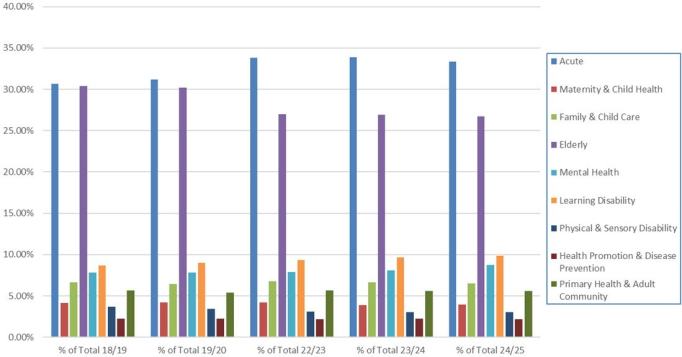
* Source: annual Costing Financial Return. Returns for 2020/21 and 2021/22 were stood down due to COVID-19. Last return submitted was for 2024/25. Return for 2025/26 due in November 2026.
Analysis of Outturn Total Revenue Expenditure (2020/21 – 2025/26)
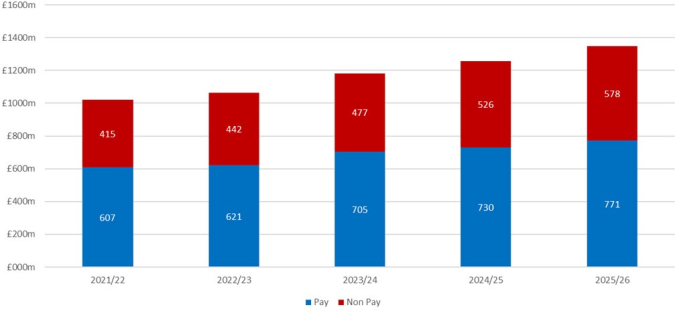
The graph above sets out our total revenue expenditure, split by Salaries and Goods and Services in the past five years.
Further divisional analysis can be found within the segmental information shown in Note 2 to the Accounts.
The Trust receives capital funds to purchase or enhance assets for use by the Trust and the trends are subject to change dependent on the approved business cases in each year, the position over the main categories for the past five years is set out below:-
Analysis of Outturn Total Capital Expenditure (2021/22 – 2025/26)
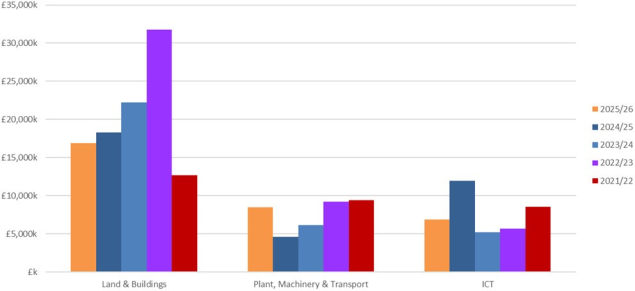
Further detail on specific Capital Schemes may be found within the Accountability Report and within Notes 5 and 6 of the Accounts.
The Trust continues to wait on the outcome of the DOH 10-year Capital Plan which will follow the agreement of the budget by the Executive and then approval of the plan by the Minister for Health. This is expected in September 2026.
The Trust completed with the Royal Institute of British Architects (RIBA) stage 3 design of the new Mental Health Inpatient Service (Birch Hill Centre for Mental Health) in October 2024. Planning permission was approved in June 2024. Stage 4 design was due to start in March 2025 but due to funding uncertainty has not commenced. The addendum for the increased cost and programme was submitted to the DOH in October 2025 but is not being considered by the DOH at this time until the funding issue is resolved.
Stage 4 design is nearing completion for the AAH electrical infrastructure project. The Trust is waiting on the approval of the addendum for the increased cost and timeframe before we can go to tender.
A business case for the development of a new Alongside Midwifery Led Unit was approved in March 2024. Construction commenced on site in May 2025 and is expected to be completed in July 2026. Planning approval was also secured for the extension to the Robinson Hospital, with the contractor commencing work on site in May 2026. In addition, the Trust has been working with Macmillan Cancer Support in the development of an Information Centre on the AAH site. The contractor started on site in February 2026 with Macmillan funding of £2.5m.
Further detail is provided under the Capital Development Programme on page 109.
The Trust’s 10-year capital plan, which was re-submitted to the DoH in August 2025 and includes major capital investment projects for the AAH site:
- a new Intensive Care Unit and entrance to the west of the site;
- additional theatre capacity (Phase 1);
- a new Woman’s and Children’s Unit and associated car parking;
- refurbishment and extension of hospital sterilisation and decontamination units (HSDU);
- Aseptic suite
- 72 bed ward
Other capital projects include:
- a new residential unit for children with complex needs;
- replacement of 2 adult centres in Ballymena and Larne
- a new Health and Care Centre in Newtownabbey
Prompt Payment
The DoH requires that Trusts pay their non HSC trade payables in accordance with applicable terms and appropriate Government Accounting guidance. The Trust’s payment policy is consistent with these requirements and its measure of compliance are that 95% of all valid invoices should be paid within 30 days and 70% of all valid invoices within 10 days.
The Trust’s performance for 2025/26 was achieved and is set out below:
Prompt Payment
| Prompt Payment | Number | £000s |
|---|---|---|
| Total Bills Paid | 448,948 | 755,480 |
| Total Bills Paid within 30 days of receipt of an undisputed invoice | 428,480 | 726,427 |
| % Bills Paid within 30 days of receipt of an undisputed invoice | 95.44% | 96.15% |
| Total Bills Paid within 10 days of receipt of an undisputed invoice | 367,085 | 658,920 |
| % Bills Paid within 10 days of receipt of an undisputed invoice | 81.77% | 87.22% |
| Late Payment Charges | £ |
|---|---|
| Amount of compensation paid for payment(s) being late | 9,580 |
| Amount of interest paid for payment(s) being late | 910 |
NICS Prompt Payment tables are published annually on the Department of Finance’s website at https://www.finance-ni.gov.uk/publications/nics-prompt-payment-tables
Estates Environmental and Sustainability
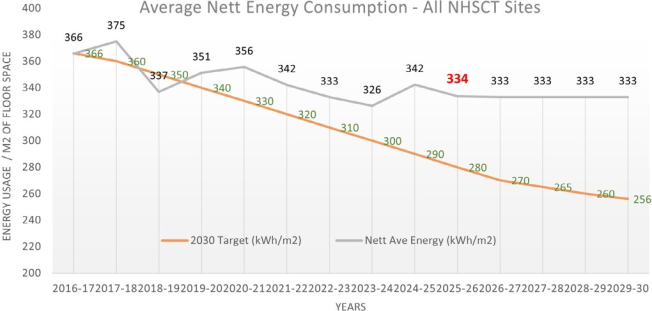
During 2025/26, the Trust achieved a reduction in average net energy intensity, decreasing from 342 kWh/m² to 334 kWh/m². This improvement reflects a combination of targeted energy saving initiatives, a reduction in fossil fuel consumption, and increased on site renewable electricity generation following the commissioning of the 1.2 MWp solar photovoltaic system at Causeway Hospital (see Graph 1). Note that there was no Invest to Save Funding, from the Department of Economy (DfE), during the reporting year.
The Trust achieved a reduction in energy related carbon emissions of approximately 1,539 tonnes during 2025/26, demonstrating measurable progress toward lowering its carbon footprint while continuing to meet essential service and clinical demands.
Energy
In March 2019, the Energy Management Strategy and Action Plan to 2030 for Northern Ireland Central Government was published, setting a target to reduce net energy consumption by 30% by 2030, relative to a 2016/17 baseline, across the public sector. Net energy consumption is defined as total energy consumed minus energy generated on site.
In addition, the Climate Change Act (Northern Ireland) 2022 establishes legally binding emissions reduction targets for 2030 and 2040, with a requirement to achieve net zero greenhouse gas emissions by 2050. The Act places a statutory duty on all Government Departments and public bodies to exercise their functions in a way that is consistent, so far as possible, with delivering these targets.
The Trust’s Estates Energy Team is actively working to reduce net energy consumption and to support progress towards the statutory targets set out within the Climate Change Act (NI) 2022, recognising the central role that energy performance plays in achieving carbon reduction and long term sustainability objectives.
Energy use across the Trust estate represents a significant proportion of its overall carbon footprint. Many healthcare facilities operate within aging estate infrastructure, which presents challenges in terms of efficiency and performance. Inefficient building fabric, plant and systems increase the energy required to heat and power buildings, resulting in higher associated carbon emissions. This performance is reflected in the Trust’s energy intensity (measured as kWh per square metre), which remains above both the Northern Ireland Government building average and the Department of Health median.
Between 2011 and 2017, the average energy intensity across all Northern Ireland Government buildings was 301 kWh/m², while the median energy intensity for Department of Health buildings in 2016 was 220 kWh/m². The Trust’s 2016/17 baseline energy intensity was 366 kWh/m². In line with the Central Government target to achieve a 30% reduction by 2030, this equates to a Trust target of approximately 256 kWh/m².
Graph 7 illustrates the Trust’s projected net energy consumption trajectory. Based on current estate configuration, clinical demand, and known constraints associated with aging infrastructure, achieving the full 2030 target presents a significant challenge.
Average Nett Energy Consumption – All NHSCT Sites
Public Buildings – Climate Change Act (NI) 2022
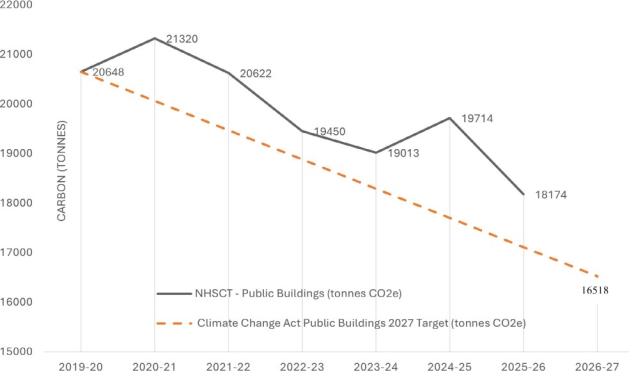
The Department for the Economy, with reference to the Climate Change Committee advice report, has determined that there should be a 20% reduction in CO2 emissions by 2027 (from a 2019 baseline) in order to move towards attaining a 48% reduction in Greenhouse Gas (GHG) emissions by 2030, based on the 1990 baseline.
Graph 8 sets out the Trust’s performance against the recommended 20% reduction, by 2027 target, to 16518 tonnes of CO2. The Trust’s CO2 production peaked in 2020/21 at 21,320 tonnes.
The Trust has returned to a downward emissions trajectory, with total CO₂ emissions reducing to approximately 18,174 tonnes in the most recent reporting year. This demonstrates continued progress toward the 2027 interim target, while highlighting the ongoing scale of reduction required to align fully with public sector climate objectives.
NHSCT – CO2 Public Building Target for 2027
2025/26 marked the first year in several years in which the Trust did not receive Invest to Save funding from the Department for the Economy (DfE). Notwithstanding this funding constraint, the Trust has continued to progress its transition towards Net Zero by investing in energy efficiency and carbon reduction initiatives through Backlog Maintenance funding. The combined schemes delivered during 2025/26 are forecast to achieve a total carbon reduction of approximately 863 tonnes of CO₂.
These included:
| 2025 – 2026 Projects | Forecasted Annual Carbon Reduction (Kgs) |
|---|---|
| Wilson House Window replacement scheme | 9,740 |
| Whiteabbey Wards 9 &10 Window replacement scheme | 9,583 |
| Antrim Area Hospital accommodation Window replacement scheme | 22,277 |
| Braid Valley Hospital loft insulation scheme | 34,090 |
| Pinewood residential home loft insulation scheme | 1,345 |
| Spruce House loft insulation scheme | 20,759 |
| Maghera Day loft insulation scheme | 16,479 |
| Bush House loft insulation scheme | 18,939 |
| Ballymoney Health Centre hot water system refurb | 2,292 |
| Robinson Hospital hot water system refurb | 7,712 |
| Causeway Hospital rear carpark LED scheme | 777 |
| Causeway Hospital 1st floor wards LED scheme | 62,016 |
| Lisgarel residential home LED scheme | 24,197 |
| Clonmore, Joymount & Drumross LED scheme | 17,254 |
| Wilson House boiler house refurb | 13,854 |
| Pinewood residential home boiler house refurb | 532,244 |
| The Cottage boiler house refurb | 7,229 |
| Antrim Area Hospital accommodation boiler house refurb | 26,000 |
| Hollybank Hostel boiler house oil to gas | 20,914 |
| 44 King Street boiler house oil to gas | 850 |
| Robinson Hospice / Horticulture Heating project | 254 |
| Roddens Residential Home Chiller / Freezer room scheme | 8,818 |
| George Sloan boiler refurb scheme | 5,121 |
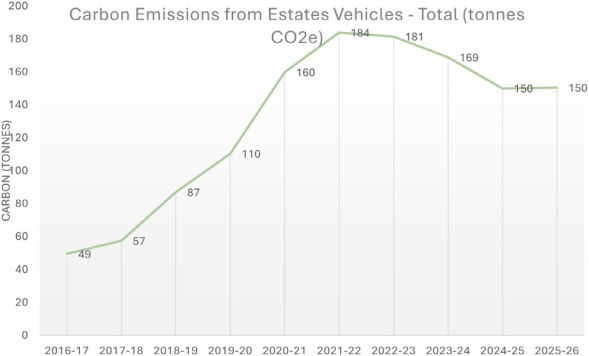
During 2025/26 the Estates vehicle carbon emissions remained consistent with the previous year.
The primary fuel source is diesel and Graph 9 below is a measurement of only the Carbon emissions.
Carbon Emissions from Estates Vehicles
During 2026/27, the Trust’s Estates Energy Team will continue to explore and review a range of opportunities to further reduce the Trust’s reliance on fossil fuel based energy sources. This work will focus on identifying practical and cost effective interventions that support decarbonisation of the estate, improve energy performance and contribute to the Trust’s longer term Net Zero objectives, while ensuring the continued delivery of safe and resilient healthcare services.
As at April 2026, there has been no confirmation of continued funding from the Department for the Economy (DfE) Energy Invest to Save scheme for the 2026/27 financial year. In the absence of clarity on external capital funding, the Estates Directorate will adopt a flexible and adaptive approach, prioritising alternative mechanisms to drive energy efficiency and carbon reduction.
This will include continued investment through backlog maintenance and local capital programmes, targeted optimisation of existing building services and controls, energy performance monitoring, and the identification of low and no cost operational improvements. The Trust will also continue to assess opportunities for further renewable energy deployment, plant replacement at end of life, and improvements to building fabric where these can deliver measurable carbon and energy benefits.
Through this approach, the Trust remains committed to maintaining momentum in its energy transition, mitigating the impact of funding uncertainty, and delivering progressive improvements in sustainability performance consistent with statutory climate change obligations.
Waste Management
Waste management focuses on the strategic objectives set out in the Annual Waste Strategy and the key agenda of a safe and sustainable waste management system through the Trust Waste Policy and Guidance.
The focus during 2025/26 included:
- Sustainable procurement via tendering waste services and incorporating environmental Key Performance Indicators (KPIs);
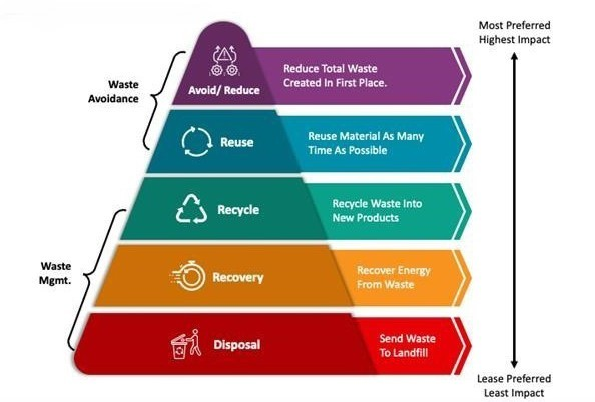
- Improving waste classification, segregation and moving waste up the hierarchy, by implementing the offensive waste stream into more specialised departments and educating staff;
- Reducing the production of waste by auditing how staff use PPE (gloves and aprons) within ICU and CCU at Causeway hospital; and
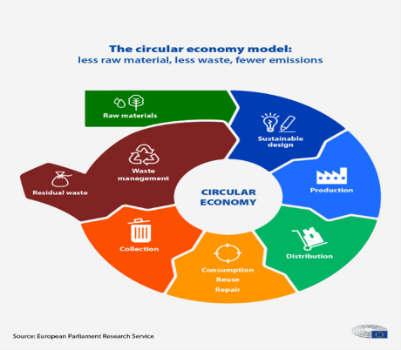
- Supporting the circular economy via the Wrap-it Portal and the use of clothing bank donation stations in partnership with the Northern Ireland
Waste Hierarchy
Sustainable Procurement
Sustainable procurement is the purchasing of products and services which deliver environmental and social value and is fundamental in applying the circular economy and waste hierarchy.
During 2025/26, the regional tender for primary containers for clinical waste was awarded and will be implemented 1st August 2026. The present plastic containers are composed of at least 30% Post Consumer Resin (PCR) to comply with the UK Plastic Packaging Tax. The Supplier will be expected to provide products with at least 30% recycled content and will be required to seek to maximise the use of recycled content and have a plan to work towards fully recycled products whilst remaining compliant with UN packaging.
Currently there are no options to purchase non-plastic containers however within the new contract there is the option for cardboard containers. These are made from recycled board and paper, decreasing the reliance on fossil fuels needed to make plastic containers. The carbon footprint for cardboard containers is less across the whole product lifecycle and requires much less energy to produce and ultimately dispose of it.
In support of the NI Climate Change Act 2022, suppliers must be registered on the NHS Evergreen Sustainable Supplier Assessment platform. This is a developing strategy which strives to ensure that the supplier is committed to achieving Net Zero by 2050.
The service yard at Antrim Area Hospital was very congested with an aging compactor for recyclable waste, skips for general non-recyclable waste, storage and recycling containers for other categories of waste, as well as Estates vehicles, delivery lorries and external contractor vehicles.
Two waste compactors were tendered and purchased to address both the environmental and financial issues in December 2025. The replacement of the current recyclable waste compactor and the implementation of the general waste compactor will reduce the need for additional skips, which frees up space in the service yard and provides a cleaner, better organised environment for everyone using the service yard.
The new compactors offer greater efficiency by compressing waste materials to significantly reduce their volume. The general waste collections will be reduced from six times per week to one resulting in collection savings of £20,000 per year. Less collections means less traffic, lower fuel consumption, a significant reduction in the NHSCT’s CO2 emissions from 12,480kg to 2,080kg per year and less greenhouse gasses (GHG). This will contribute to the Trusts commitment to the Climate Change Act (NI) for carbon and GHG emission to net zero by 2050 and the Trusts overall sustainability ethos.
Improving Waste Classification and Segregation
Managing healthcare waste in a safe and efficient manner, in compliance with the relevant legislation, contributes towards reducing whole-life carbon emissions.
Infectious waste (clinical waste) requires greater processes, in terms of higher energy and transport requirements, to render it safe for disposal or further use, than non-infectious waste (offensive waste) or domestic waste. The failure to correctly segregate clinical waste from non-infectious (offensive and domestic) waste means the entire waste stream may be over-managed.
The implementation of the offensive waste stream was actioned across the Trust clinical facilities during 2024/25 and concluded in Causeway hospital during 2025/26. This project continues to contribute to the significant decrease in the production of clinical waste.
To help staff improve on how to correctly segregate waste, several waste initiatives were broadcast via Corporate Communications to coincide with national events. This included Plastic Free July and Recycle Week (22nd to 26th September 2025).
Staff were encouraged to reduce the use of single use plastic items within their department and to consider using reusable more durable items.
Recycle Week provided information for staff on how our domestic waste is recycled and processed, (60% recycled and 40% recovered for fuel) which means the Trust domestic waste is ‘zero to landfill’. Also, the importance of recycling and how we can improve.
Reducing the Production of Waste
When used in clinical settings, non-sterile gloves are an essential component of Personal Protective Equipment (PPE) and are one of the most common items of single-use plastic within healthcare.
The environmental burden of PPE is huge but can be reduced by optimising glove usage and waste management. When used inappropriately, gloves can be associated with poor hand hygiene and skin health, plastic waste, and health care associated infections (HCAIs).
The ‘Gloves are Off’ campaign was established to gather evidence on how staff use PPE, rightly or wrongly for all disciplines of staff. Observational audits were set up during March and April 2026 in ICU and CCU in Causeway Hospital to record when gloves and aprons are being worn and hand hygiene practices of staff.
Once complete the audit findings will be evaluated to:
- Identify the clinical activities during which gloves and aprons are used and assess the appropriateness of PPE use;
- Compare PPE procurement levels before and after the audit period;
- Measure changes in the volume of PPE waste generated; and
- Quantify the environmental impact through carbon emission calculations
This campaign will help educate staff to choose the correct PPE confidently resulting in personal, environmental and financial benefits.
Supporting the Circular Economy
The circular economy is being supported through the reuse of items across the Trust, using the Wrap-It platform. Extending the life-cycle of furniture and consumables by reusing not only saves money in disposal costs and purchasing new items, but also improves the Trust’s carbon performance.
Since the implementation of Wrap-It in 2019, to April 2026 the Trust has reduced:
- 77,573kg of CO2
- 32,122kg of waste
- £183,633 of spend
Telecommunications
The Trust recognises that the management of its telephony and mobile estates plays an important role in supporting environmental sustainability and reducing carbon emissions associated with healthcare delivery. Telecommunications are increasingly viewed not only as operational enablers, but also as tools to support more efficient use of resources and lower environmental impact.
The Trust continues to progress the reduction of legacy fixed line telephony infrastructure, moving away from traditional, resource intensive systems toward more efficient, digital first solutions. This transition reduces reliance on energy consuming on site equipment, minimises physical cabling requirements and supports better utilisation of shared network infrastructure. The identification and removal of redundant or under used lines has further reduced unnecessary energy consumption and associated emissions.
The mobile communications estate enables more agile and flexible ways of working across clinical and non clinical services, reducing the need for travel between sites and supporting more efficient service delivery. By facilitating rapid communication, remote decision making and mobile access to systems, the Trust’s mobile estate contributes to a reduction in transport related carbon emissions, particularly across geographically dispersed sites.
Environmental sustainability is embedded within the management of mobile devices through standardisation and lifecycle optimisation. The Trust seeks to extend the usable life of mobile handsets where safe and appropriate, reducing the frequency of replacement and the environmental impact associated with manufacturing, transport and disposal. Where devices reach end of life, they are reused, refurbished or recycled through approved routes to minimise electronic waste and support circular economy principles.
Through the continued rationalisation and optimisation of its telephony and mobile estates, the Trust is reducing its digital carbon footprint while maintaining reliable and resilient communications. These measures support the Trust’s broader sustainability objectives by lowering energy use, reducing waste, limiting unnecessary travel and promoting more efficient use of resources across its estate.
Operational Areas – Biodiversity
Under the Wildlife and Natural Environment Act (Northern Ireland) 2011, all public bodies have a statutory duty, when exercising their functions, to further the conservation of biodiversity where this is consistent with the proper delivery of those functions. The Trust recognises this responsibility and continues to embed biodiversity enhancement across its estate.
In March 2025, the Estates Department commissioned biodiversity baseline assessments across multiple Trust sites to establish an evidence based understanding of existing conditions and to identify opportunities for enhancement. Following the recommendations of these reports, a programme of biodiversity improvement works was delivered throughout 2025/26, including further wildflower meadow creation, installation of nesting infrastructure and the expansion of the ‘No Mow May’ approach across the Trust estate.
The Trust has identified areas, initially across its main sites, for the development of natural wildflower meadows. These areas encourage the establishment of native, non invasive plant species, improving habitat value and supporting local wildlife. Works were undertaken sensitively to ensure the spaces remain accessible and engaging for staff, patients and visitors, promoting wellbeing alongside environmental benefit. Interpretive signage has been installed to raise awareness and educate site users on the purpose and value of these initiatives.
In May 2025, the Trust participated in the ‘No Mow May’ campaign across appropriate sites. This initiative supports biodiversity by allowing wildflowers to flourish, providing a vital food source for pollinators such as bees and other insects, while also contributing to reduced air pollution and increased carbon sequestration through healthier soils.
To further support local species, the Trust has installed a range of bird nesting boxes, swift boxes and insect hotels across its estate. Some of these were generously donated by partner organisations in recognition of the Trust’s ongoing biodiversity work. All installations were carefully sited to ensure there was no adverse impact on infection prevention and control. In addition, the Trust has committed to incorporating swift bricks into new build developments where appropriate, recognising the declining population of swifts locally. This approach has already been implemented at the new MRI unit at Causeway Hospital, where swift bricks were installed as part of the build.
The Trust also delivered a significant tree planting scheme at Holywell Hospital, successfully planting 1,000 native trees on previously unused farmland. This was complemented by the installation of additional bird nesting boxes within the newly established native woodland, further enhancing habitat diversity and ecological resilience at the site.
Capital Development
In the 2025/26 financial year, the Trust progressed a number of capital project schemes, described below.
Birch Hill Centre for Mental Health
This major capital investment will see the development of a new-build 134 bed inpatient hospital for sub-specialties including acute, psychiatric inpatient care unit (PICU), dementia assessment, addictions and functionally mentally ill. During the year, the Trust was due to commence Stage 4 Technical Design once Outline Business Case addendum approval was received from the Department of Health. This has not been received and the scheme is effectively paused at this point with no capital funding received in 2025/26. We await the outcome of the DOH 10-year Capital Plan which will follow the agreement of the budget by the Executive and then approval of the plan by the Minister for Health. This is expected in September 2026. The major planning application was approved by Antrim and Newtownabbey Borough Council in June 2024, marking a significant milestone for the project. The addendum to the original business case was resubmitted to the Department of Health in October 2025 but the Trust have been advised that the DOH will not consider the addendum until the outcome of the 10-year capital review is complete.
Electrical Infrastructure Improvements at Antrim Area Hospital
There is no ability to maintain existing high voltage and low voltage switchgear without a major interruption to the hospital. There is also no capacity within the existing infrastructure to facilitate any new capital development on site. The hospital standby generators are due to be replaced in order to provide a fully resilient standby power supply for the site. The investment will address resilience and capacity issues within the electrical infrastructure due to the increasing demand for electrical power on the site. This project is currently at the end of Stage 4 Technical Design and is awaiting addendum approval to the original Outline Business Case resubmitted to the Department of Health in December 2025.The Trust is currently working with the Department on viable and affordable options. Once this is approved the Trust will go out to tender for a contractor.
Interim Alongside Midwifery Led Unit
Works began on site in May 2025. This investment will provide a three-bed midwifery led birthing unit on the Antrim Area Hospital site, adjacent to the existing maternity unit. The project is due to complete in July 2026 and will provide increased patient choice for maternity care for mothers within the Trust area.
Robinson Hospital Extension
A contractor is in the process of being appointed to build a 5 single bedded ensuite room extension to the Robinson Hospital. The contractor commenced on site in May 2026. This will increase the number of ensuite bedrooms and improve patient experience. The project is being funded from Charitable Trust Funds.
Macmillan Cancer Information and Support Centre
The Trust has been working with Macmillan in the development of an Information and Support Centre on the Antrim Area Hospital site. The contractor has been appointed and has been on site since February 2026. Macmillan is funding the majority of this investment.
Human Resource Policies
Health, Wellbeing and Inclusion
As a large public sector employer we are committed to promoting, supporting and responding to the health, wellbeing and inclusion needs of our staff. We want to nurture an environment that prioritises staff health and wellbeing, and creates an inclusive culture where diversity is embraced and celebrated. Our Health Wellbeing and Inclusion strategy, covering the period 2024-27, was launched in August 2024 and incorporates our workplace Equality, Diversity and Inclusion (EDI) framework bringing together the Trust’s S75 Equality Scheme and Disability Action Plans with its people priorities.
The workplace framework is overseen by the EDI Steering Group chaired by the Director of Finance/Deputy CEO with representatives of each divisional area. The group meet quarterly to oversee the implementation of our workplace framework and a range of EDI initiatives during the past year including:
- World Autism Acceptance Month April 2025;
- LGBTQ+ Pride July 2025;
- International Day of Persons with a Disability December 2025;
- Race Equality Week February 2026; and
- International Women’s Day March
The Trusts values are underpinned by a comprehensive suite of policies that are in place to ensure legislative compliance and to promote EDI within the workplace:
- Equality and Diversity Policy;
- Joint Declaration of Protection;
- Disability Equality Policy and the Reasonable Adjustment Toolkit;
- Gender Identity and Expression Workplace Policy;
- Conflict, Bullying, Harassment Policy; and
- Flexible Working Policy and
These policies apply across HSC and are agreed regionally.
The Trust provides equality and human rights training to all staff and induction training for all new starts.
Further Disclosure
Pension liabilities and sickness absence data can be found within the staff report.
Suzanne Pullins, Interim Chief Executive/Accounting Officer, 25 June 2026