
September 21, 2026
Strength and balance classes provided by the Northern Health and Social Care Trust are helping participants improve their wellbeing and reduce their risk of falls.
Around one in three people aged over 65 will have a fall each year, and they are a leading cause of injury, loss of independence and hospital admission among older people.
Falls can happen for many reasons, including health conditions, medication, or hazards in the home. However, they are not a normal part of ageing, and many can be prevented.
By taking a proactive approach, the Northern Trust is encouraging people to maintain their mobility, stay safe from falls and lead more active, independent lives.
To mark Falls Awareness Week (21-25 September), participants have spoken about the positive impact classes have had on their confidence, mobility and overall quality of life.
The aptly named STEPS programme (Stepping Towards Enhanced Postural Stability) is a 12-week exercise and education programme delivered within Northern Trust Day Centres for men and women aged over 55 who have a fear of falling, have a history of falls (with or without injury), have osteoporosis (low bone density) or a family history of osteoporosis; or participate in limited or no physical activity.
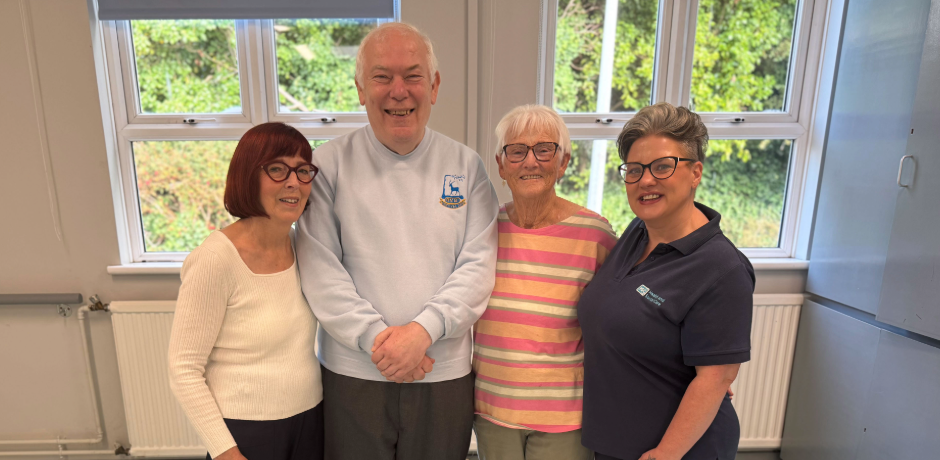
At Gloucester Park Day Centre in Larne, Liz Hackworth is one of those who has benefited from the programme, with the classes inspiring her to join a local gym and build on her fitness journey.
She said: “When I started the course I couldn’t even stand on one leg and my balance was very poor. I found that I really enjoyed the course and having to practice at home got me into the way of doing a wee bit every day.
“While waiting for the kettle to boil I would do a few squats or stand on one leg, and it has also inspired me to go a bit further and join the gym and attend a circuits class. I have really enjoyed the social aspect of it as well, getting to know the other people and having a good laugh.”
Daycare Worker Gail Moorhead has been involved with the STEPS programme for over 15 years, and in that time, she has seen its transformational effects.
“This programme has changed lives. I have had people who come in walking with sticks and who leave without their walking aids,” she said.
“The exercises aim to improve leg strength which in turn will help with balance and posture, as we know a lot of falls happen because of poor balance.
“When someone has a sense of fear, there is that question, did somebody fall because they were scared or is somebody scared because they fell?
“We work on that through our educational programme – how do we keep ourselves safe at home? What about our medication, our food and our diet? From our feet to the top of our head, we talk about everything health and wellbeing.”
Separately, strength and balance classes are provided in community locations by the Trust’s Health and Wellbeing Team.
Hillary McLister takes part in a class held in Carey, near Ballycastle. She said: “I find it very beneficial from the point of view of loosening up muscles and also making us very aware of the possibility of falls, how to cope with that, and being trained for preventing those falls by strengthening the core, building up the muscle and just being conscious of how to loosen up.”
Another participant, Agnes Duncan, said it has helped her as part of recovery from surgery: “This is an excellent opportunity to help me recuperate under the instructions of a professional and get back to work again and feeling fit.”
Tips to prevent falls
Falls Prevention Coordinator Lorraine Gibson said the experiences of participants demonstrate how targeted support can help people remain active and independent as they get older: “Our aim is to support older people to stay active, safe and independent for as long as possible.
“Through our falls prevention service, we can provide assessments, practical advice and support, access to strength and balance classes, and referrals to other services or healthcare professionals where appropriate.
“We would encourage anyone who is concerned about their balance, mobility or risk of falling to get in touch to find out how we can help.
“A fall can be a warning sign that something has changed in a person’s health, mobility or environment, so it is important to seek advice early rather than waiting until another fall occurs.”
You can contact the falls prevention team by ringing 028 9442 4644 or email falls.prevention@northerntrust.hscni.net
Alternatively, further information is available on our website by going to https://www.northerntrust.hscni.net/service/falls-prevention-service/
To contact the health and wellbeing team ring 028 2563 5575 or email healthandwellbeingteam@northerntrust.hscni.net
Stay safe at home
Make sure your home has no hazards such as loose rugs or items that you could trip on, particularly on your floors, stairs, and hallways, and that it is well lit and warm. Think about a night light – especially if you get up in the night to use the toilet. Consider a pendant alarm if you live alone so you can call for help if needed.
Take your medication
Remember to take your medication as prescribed. Certain medications may increase your risk of falling. If you have concerns or think your medication might make you more likely to fall speak to your GP or pharmacist about a medication review.
Fitted footwear
Wear well-fitted shoes or slippers. Avoid slip-ons and heels, and report any pain, tingling or numbness in the feet to your GP or podiatrist.
Check your vision/hearing
It is important to have regular eye tests and wear your recommended glasses, as well as your hearing aids (if you need them), to increase your awareness and decrease your risk of falling.
Healthy bones
To protect your bones you should eat a well-balanced diet with plenty of calcium and Vitamin D. Help your body to make Vitamin D by safely enjoying daily short periods in the sun from April to September. Limit your alcohol intake and stop smoking.
Keep active
Although you may be nervous after a fall, doing regular exercise can improve your strength and balance, and reduce your risk of having a fall. Remember to use your mobility aid if required.
Avoid taking risks
Don’t rush, take your time when getting up (especially if you feel dizzy). Remember to use any mobility aids you have been provided with. Never take unnecessary risks – stop, think and ask for help if you need it.
Eat a balanced diet
Eating a well-balanced diet can help reduce your risk of falls and improve bone health. Aim to eat regular meals including fruit and vegetables. Aim to stay well hydrated throughout the day unless you have been advised to restrict fluids by a healthcare professional.